Introduction
One of the first and most appropriate learning stages in childhood is teaching kids colors. The world of a child is full of colors. Colors contribute to the perception of differences by children and their ability to make sense of the world around them with the help of toys, clothes, food, and nature. Learning colors at a young age aids brain development of children, language development, and observation ability.
Most parents believe that the instruction about colors requires special equipment or rigid classes. As a matter of fact, children learn in real life, in play and repetition. They do not require pressure and testing. They require tolerance, plain language and affectionate advice. Children also learn colors at an early age which is preliminary to their later learning of shapes, numbers, reading and writing.
This resource provides 15 original and Mastermind tips on how to teach the colors to children in a natural way by the parents and teachers. The approaches are simple to adhere to, practical, and appropriate in daily lives.
Why Teaching Colors Early Is Important for Kids
Early education on colors generates low level thinking in children. Colors enhance memorability since children learn to identify and recollect differences. Once a child learns how to name colors, he or she expands the vocabulary naturally. They learn to explain things in a better way and talk.
Focus and attention are also facilitated by color learning. Sorting, matching and identifying colors are some activities that train the brain to focus. In early childhood research, it is established that children who are able to recognize colors at an early age tend to learn letters and numbers later with less difficulty. This learning cannot occur at once. It is built up gradually by exposure and repetition.
Tip 1: Start with Real-Life Objects Around the House
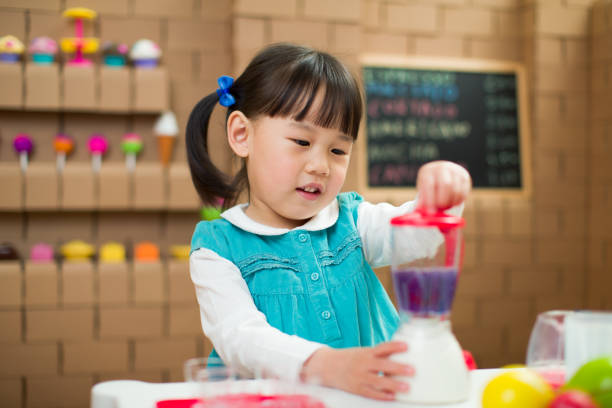
When children watch and feel actual things, they learn at a faster rate. Begin with the objects which are already at home. Make use of toys, fruits, utensils, shoes or pillows. Take one thing and speak out the color in a very calm voice. E.g. say, This cup is blue even as the child touches it.
Do not put a lot of objects on display. Look at one object and one color. Children learn more and retain longer when learning the real-life objects. This is also a way of learning naturally rather than being forced.
Tip 2: Teach Only One Color at a Time
It is a common mistake by many parents to teach a lot of colors at the same time. This may mislead young children. One color is better to be concentrated on during a few days. Apply that color on other different activities of the day.
As an illustration, in teaching yellow, indicate yellow clothes, yellow toys, and yellow food objects. Repeat the color name gently. Repetition assists the brain in storing facts in a clear way and eliminates confusion.
Tip 3: Use Daily Routines as Learning Moments
The day-to-day activities are effective learning devices. The best moments to discuss colors would be dressing time, meal time, and bath time. As you dress your child, say the color of your clothes. When eating refers to the color of food.
This is effective since the children do not feel that they are being taught. Learning is now part of their day to day lifestyle and they learn without any form of strain.
Tip 4: Let Children Touch and Explore Objects
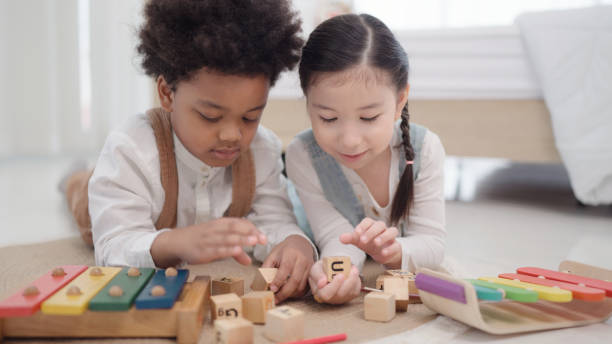
Touch contributes a lot in learning. Provide the children with items that they can manipulate, squeeze and move. One can use blocks, balls, pieces of fabric and objects of the kitchen.
Children are able to relate physical feelings and words when they touch things as they hear color names. This association enhances longer and powerful learning. It is always a good idea to monitor children when they are engaged in such activities.
Tip 5: Use Simple Songs to Teach Colors
Children are able to remember words with ease with the help of songs. Select easy-going songs and slow rhythm. Sing the same song every day so that children should hear the names of colors repeatedly.
You will not require screens and videos. A better way is to sing yourself since children have attachment with parents and teachers. Clap or point out things as you sing so as to enhance the interest.
Tip 6: Play Color Sorting Games
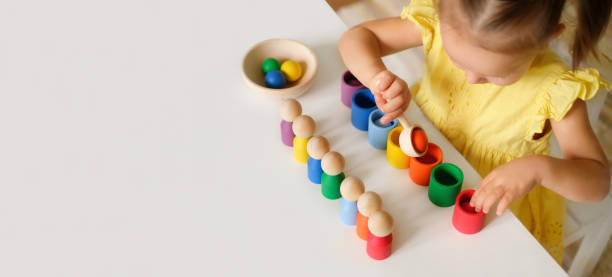
Sorting games are very good for color learning. Put the objects of varying color before your child. Request them to sort the similar color items. Play with toys, bottle caps or pieces of paper.
This is a task that enhances attention, problem solving capabilities and color identification. Remain light-hearted and jovial. Crack compliments despite any errors the child makes.
Tip 7: Read Picture Books Focused on Colors
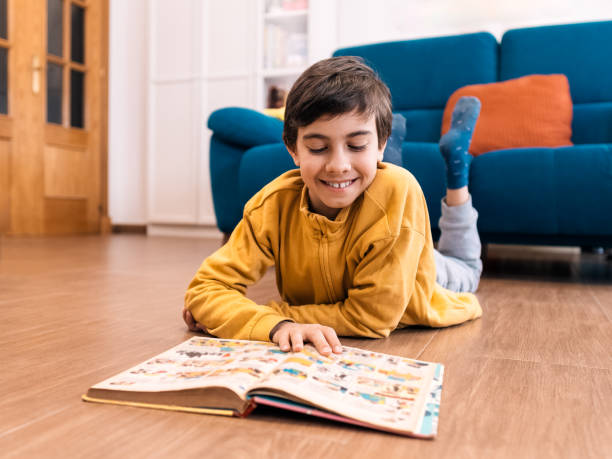
Color picture books are quite useful in early learning. Select books with pictures and a few words. As one reads, indicate pictures, and name the colors one at a time.
Ask easy questions such as whether you can see the red car. Listening to the child will assist in learning even when the child fails to respond. Bonding and language skills are also developed when people read together.
Tip 8: Encourage Drawing and Coloring Activities
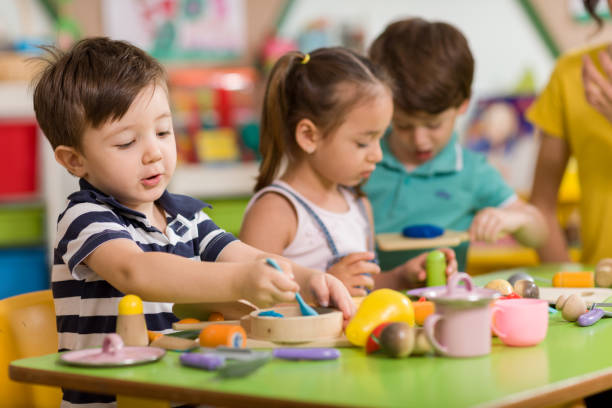
Provide blank paper, color pencils or crayons to children. Label before giving it, name of the colour. Say “This is green. Let’s use green now.”
Learners should be given the opportunity to paint without correction. Errors are involved in learning. The ability to control hands, be creative and have awareness of color is enhanced by coloring simultaneously.
Tip 9: Teach Colors During Outdoor Walks
Nature is a learning environment that is free. When walking about, identify some colors in trees, flowers, sky, cars and animals. Read and repeat such simple phrases as green leaves or blue sky.
Outdoor learning is effective since children are active and curious.New environment provides and makes it easier to remember what they learn.
Tip 10: Use Food to Make Color Learning Fun
Children are naturally attracted to food. Use vegetables and fruits to learn colors. Presentation of red apples, orange carrots, and green cucumbers.
Ask the child to observe the color before eating. It is a fun way of learning and also promotes good eating habits.
Tip 11: Repeat Colors Without Turning Learning into a Test
Do not ask too many questions such as: What is the color of this one? Testing can create pressure. Rather, recite the color name on your own in day-to-day activities.
Children are able to learn best when they are relaxed. Confidence and understanding are obtained naturally out of repetition without pressure.
Tip 12: Ask Children to Find Colors Around Them
Make learning a small game. Ask Why not see something blue in the room? Allow the child to find and make his or her own choice.
The exercise enhances observation prowess and confidence. Compliment the child on the work although the color may not be right.
Tip 13: Use Clothes and Laundry Time
Time to do laundry can be a learning experience. Ask children to assist in sorting the clothes by the color. say Put all white clothes here or Find the red shirt.
This preaches colors and accountability. Children like to help and they feel proud of their contribution.
Tip 14: Be Patient When Children Mix Colors
Color confusion is normal. Cases of mixing colors such as blue and green or red and orange are common among the children. Do not correct harshly.
Divine the right color later gently. Learning is a process that is time consuming. Each child has a different pace of learning.
Tip 15: Praise Effort and Encourage Confidence
Never share praise with perfection. When a child attempts to name a color encourage the child Good try or You are learning well.
Words that are positive instill confidence and interest. Self-assured children like learning and remain curious.
Common Mistakes Parents Should Avoid
Numerous parents want immediate outcomes. Learning color requires weeks or months. Do not use other children as a comparison with children. Do not also have too much screen time. Live presentation is better than only videos.
Do not force memorization. The process of learning must be comfortable and enjoyable.
Final Thoughts
Educating kids on colors is not a competition but a process. Minimal daily activities, which we do with love and patience, add up to a lot. Children are confident and curious when learning is natural and fun.